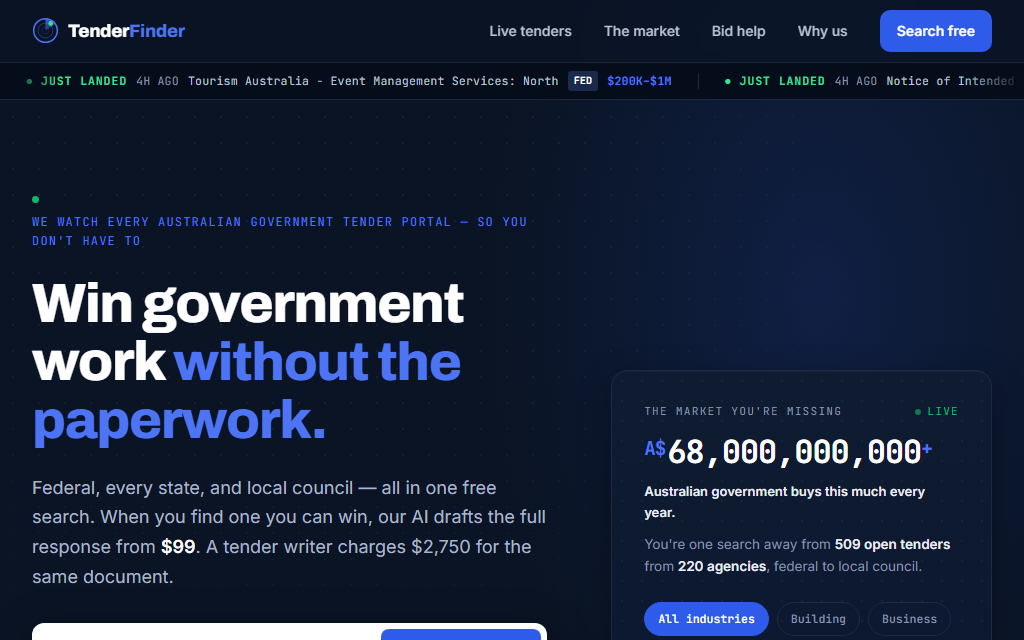
TenderFinderLive · in market
Every Australian government tender, found and answered.
Free search across federal, state and council tender portals, with AI bid drafting paid per bid, no subscription. First paying customer converted.
An Australian software studio
Code Chain is a small studio in Canberra. We design, ship and operate our own products, and we automate other people's businesses with the same discipline. The advice comes from operating software in the market, not from a slide deck.
What we run
Five ventures, built and operated in-house, each shown in its own colours. The badges are the truth of where each one is today, not a highlight reel. That honesty is the point: it is how we report to clients too.
Every Australian government tender, found and answered.
Free search across federal, state and council tender portals, with AI bid drafting paid per bid, no subscription. First paying customer converted.
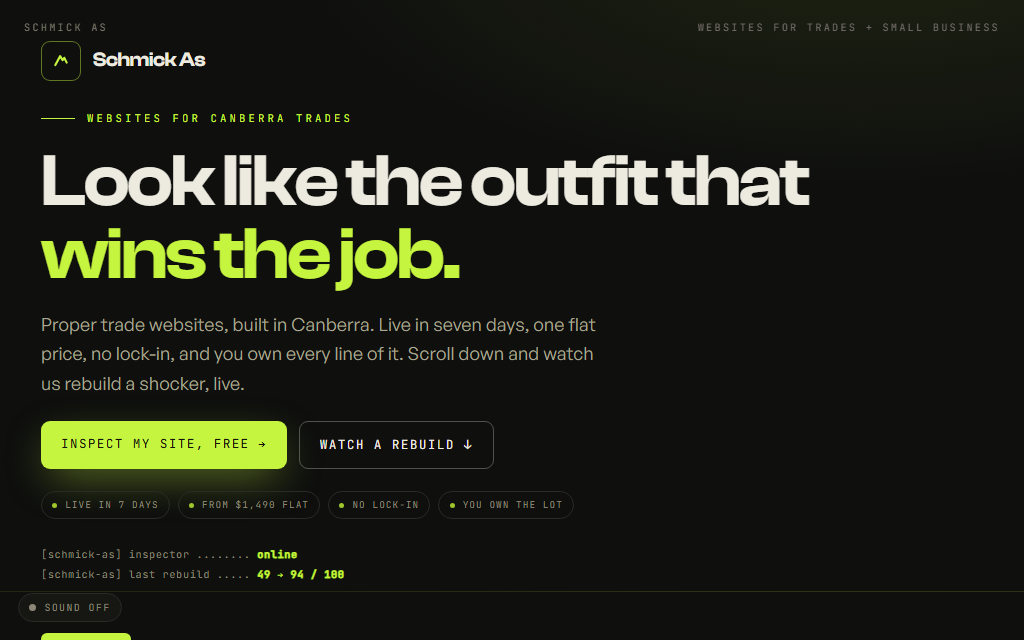
Websites that win the job for Canberra trades.
Built in seven days, one flat price, no lock-in, plus a free scored inspection any tradie can run on their own site.
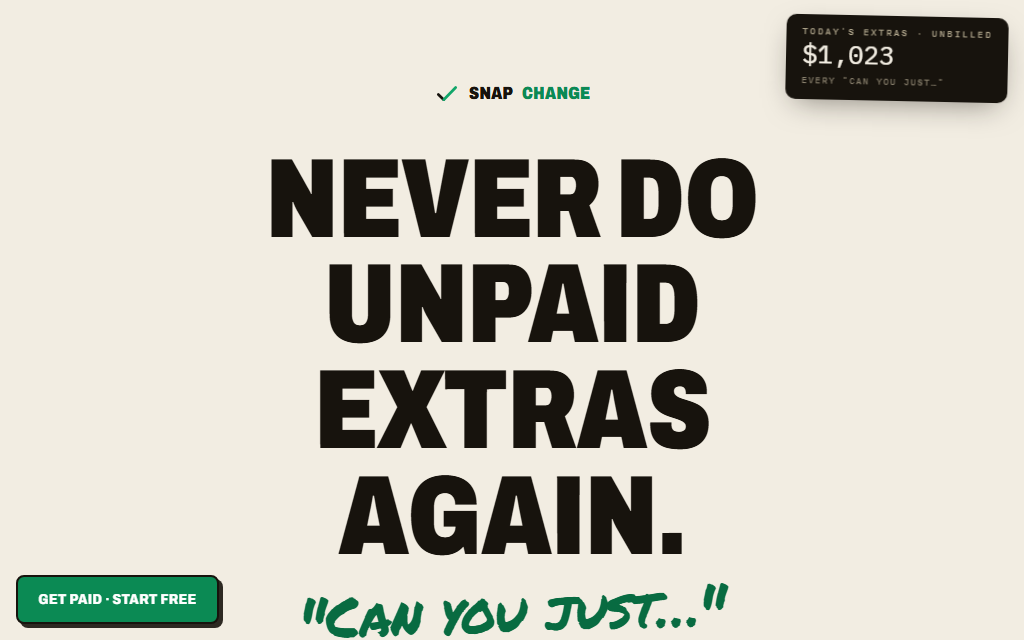
Every variation signed and paid.
Job variations for tradies: snap the change, price it with GST, the customer signs on their phone before you pack up. In market and actively testing its positioning.

Curious gifts & magical finds.
The studio's consumer retail brand: curated small wonders sold through its own Shopify store and eBay. A different buyer to everything above, run with the same operating discipline.
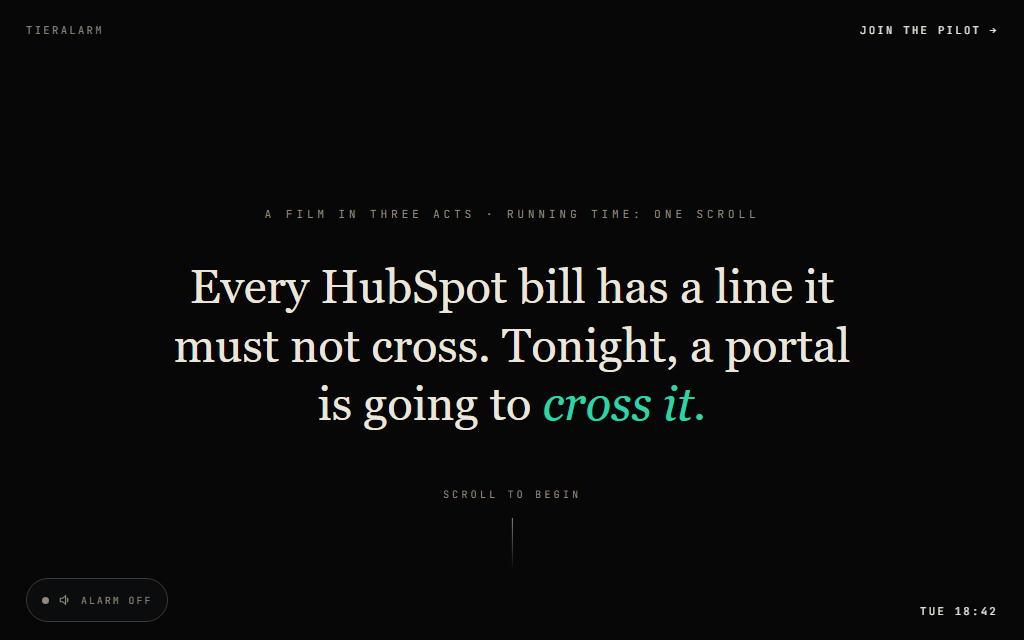
Early warning for software bills that jump tiers.
Catches CRM plan overruns before the invoice does. Built and demo-ready; it ships publicly only if enough people pre-commit to pay for it. In validation, and we will not pretend otherwise.
What the owners say
Every venture above is ours, built and operated in-house, so these are the owners' honest words rather than client reviews. The first client's words will sit here the day an engagement is delivered.
It watches every tender portal in the country so I never have to. The bids it drafts read like they came from a writer who charges ten times what we do.
Founder · TenderFinderSeven days from nothing to a site that outscores most Canberra trade sites on our own public inspector. And the inspector grades us with the same rules as everyone else, which keeps us honest.
Founder · Schmick AsWe built it because every tradie knows the cost of "while you're here, can you just". Snap the change, price it with GST, the customer signs on their phone. Under a minute, on site.
Director · SnapChangeA family shop with more than 160 curated finds live across Shopify and eBay. The Code Chain systems do the heavy lifting behind the scenes, which leaves us the fun part, the finding.
Owner · Silky FoxThe discipline is the product. It does not ship until enough people pre-commit to pay for it, and that rule has already stopped us building the wrong thing once.
Founder · TierAlarmWhat we do for clients
AI workflow automation for Australian businesses. We map the process that burns your hours, then build the system that does it: reliably, visibly, with a person still in charge of every decision that matters.
Reasoning & orchestration
One model reads documents, drafts responses, makes the judgement calls, and runs the workflow itself. No separate engine sitting between us and the work, so there is one less system you have to trust blind.
Hands
For the portals and legacy systems with no API. The automation fills the forms with a patience no human should have to supply.
The system drafts, a person approves. That is a control we build in deliberately, not a limitation we apologise for.
Our own products are live in the market every day. The automation practice comes from running software, not from theory.
Our first public case study will be published when the work is delivered and the client agrees, not before. Until then, the portfolio above is the proof we ship.
How we work
The same phased structure we use in real proposals. You see the cost and the deliverable of every phase before it starts, and you can stop at any boundary.
We sit in the work and find where the hours actually go. You get a written map of the process, what automation fits, and what the payback looks like, whether or not you build with us.
The automation, built and tested against your real cases, not a demo dataset. Delivered running in your environment with your people trained on it.
Tuning against a month of live running: the edge cases, the exceptions, the parts that only show up in production.
We operate, monitor and extend the system. The same way we run our own products: watched daily, improved continuously.
[terms] fixed phases · half upfront, half on delivery · stop at any phase boundary

The studio
Code Chain is deliberately small: one operator with the systems to work like a team, building software businesses in Canberra and automating other people's. Fewer layers means faster answers, and the person you talk to is the person doing the work.
The portfolio is not a side note. Running our own products in the market every day is where the automation practice comes from, and it is why the advice stays practical: we feel the cost of a bad system before any client would.
Start a conversation
One email is enough: what the job is, roughly how often it happens, and who does it today. If automation fits, you get a straight answer about cost and payback. If it does not fit, you get told that instead.